For many European moviegoers, watching Christopher Nolan‘s The Odyssey has become more than a trip to the cinema; it has also become a trip to Prague.
The Czech capital has emerged as one of Europe’s premier destinations for Nolan’s latest epic thanks to the IMAX theater at Cinema City Flora, one of only a handful of venues on the continent capable of projecting the film in its original IMAX 70mm format. Weeks after the film’s release, screenings continue to sell out almost immediately, with audiences traveling hundreds, and in some cases thousands, of kilometers for what many consider the definitive way to experience the film.
The phenomenon highlights not only the enduring appeal of analog large-format filmmaking, but also Prague’s unexpected place in a niche global cinema network that has become increasingly valuable as Hollywood productions embracing the format remain exceptionally rare.
A rare projection format turns Prague into a film tourism destination
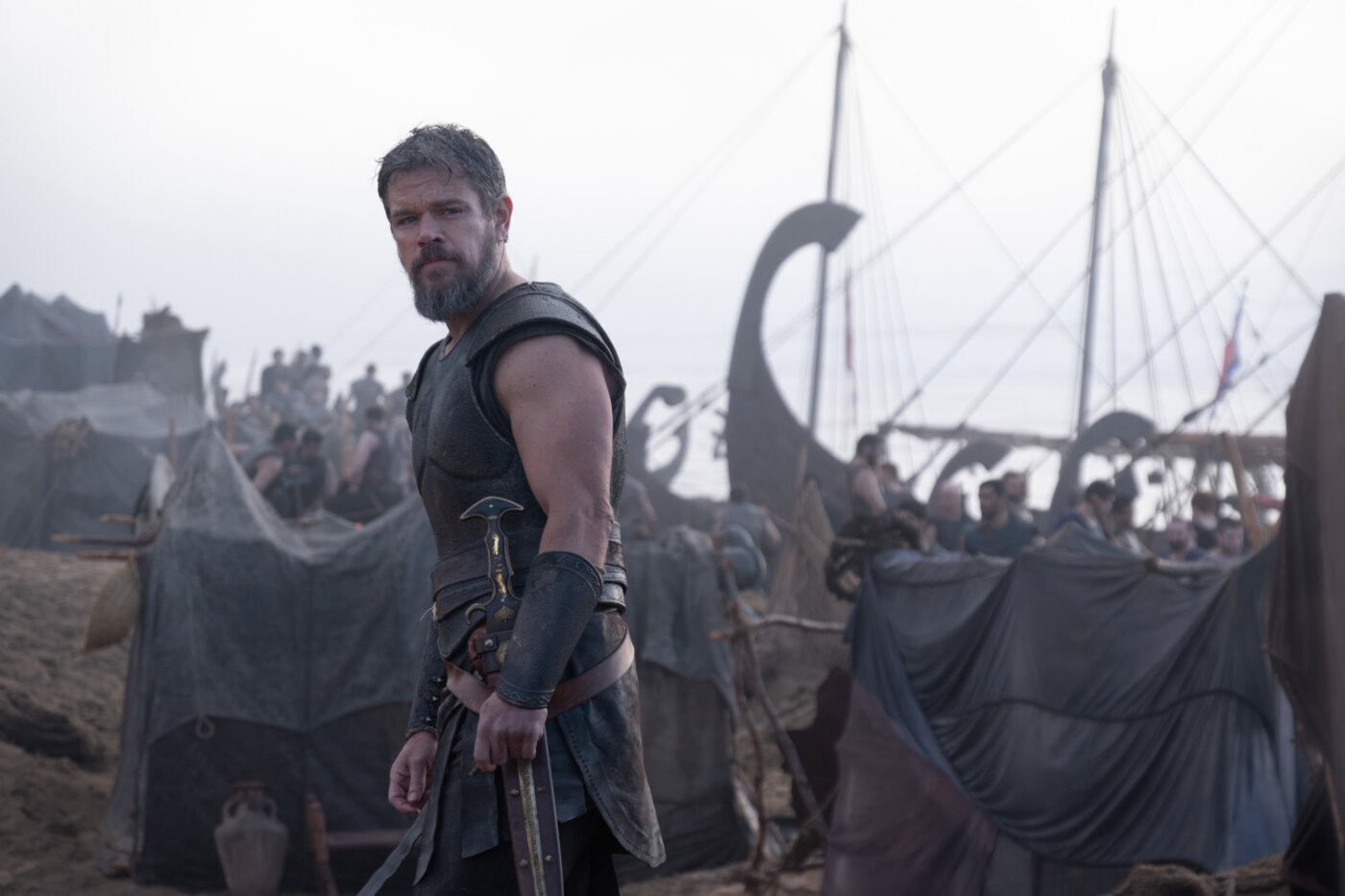
Christopher Nolan has long championed shooting on large-format film, but The Odyssey marks a milestone as the first feature filmed entirely using IMAX film cameras. The result is a presentation that can only be fully experienced in specially equipped theaters capable of projecting physical 70mm IMAX prints.
That places Prague in exclusive company. Cinema City Flora is one of only around 40 theaters worldwide, and one of just three in continental Europe, equipped to screen the film from physical IMAX 70mm film. Until recently, Prague was effectively the only location in the European Union offering the format, before theaters in Brussels and Montpellier also began showing IMAX 70mm prints shortly before the film’s release.
Unlike standard digital IMAX presentations, the analog system projects massive reels of physical film through a mechanical IMAX 15/70 projector. The presentation preserves the movie’s full 1.43:1 aspect ratio, allowing viewers to see significantly more image than in conventional digital releases.
According to Cinema City marketing manager Lenka Al-Rihani, the venue has become a destination for film enthusiasts from across Central, Eastern, and Northern Europe. In an interview with Seznam Zprávy, she said audiences regularly travel from Germany, Poland, Slovakia, Austria, Hungary, Scandinavia, and even the United Kingdom, with many combining the screening with a visit to Prague.
Forbes Czech Republic found visitors arriving to see The Odyssey in Prague from at least 16 countries, including Belgium, Finland, Italy, Spain, Sweden, Switzerland, Israel, and Norway. The theater says additional screenings, including shows beginning after midnight, have been added to meet demand yet continue to sell out weeks in advance.
For Prague, the rush has created an unusual form of cultural tourism driven not by a festival or exhibition, but by projection technology itself.
Preserving film projection pays off as analog makes a comeback
Prague’s position is largely the result of a decision made more than a decade ago.
When most multiplexes converted entirely to digital projection during the late 2000s and early 2010s, Cinema City retained its original IMAX 70mm equipment instead of discarding it. Technical manager Michal Matys told Forbes that the projectors were carefully stored “just in case they might be useful again.”
That decision proved prescient. The projectors returned to service for The Dark Knight Rises in 2012 and have remained operational ever since, though opportunities to use them are infrequent. Only a handful of major productions each year are photographed on IMAX film because of the considerable expense involved.
The cameras themselves are scarce, large, heavy, and historically noisy, making production more complicated than digital alternatives. According to Cinema City, IMAX developed new camera housings for The Odyssey to reduce noise sufficiently for dialogue scenes, enabling Nolan to complete the first feature filmed entirely in the format.
Exhibition presents its own challenges. A single IMAX 70mm print weighs more than 300 kilograms and must be transported by air. Specialized projectionists are required to assemble, thread, and operate the system without damaging the film. Additional equipment, including dedicated cooling systems for the projector’s powerful xenon lamps, adds further operational complexity.
Pavel Novák of Czech distributor CinemArt told Forbes that presenting the analog version costs tens of thousands of Czech crowns more than a digital screening due to transportation, handling, maintenance, and staffing requirements.
Those costs help explain why IMAX 70mm presentations remain exceptional rather than routine. Yet for cinephiles, the rarity is precisely the attraction.
The overwhelming response to The Odyssey has reinforced Prague’s reputation among dedicated film enthusiasts, echoing the demand seen for Oppenheimer in 2023. It has also demonstrated that maintaining legacy cinema technology can deliver unexpected benefits years later.
The next major opportunity is already on the horizon. Denis Villeneuve‘s Dune: Messiah, expected next year, is also slated for IMAX 70mm exhibition, and while not officially confirmed, Prague is expected to once again join the select group of cinemas capable of presenting the film as its creators intended.