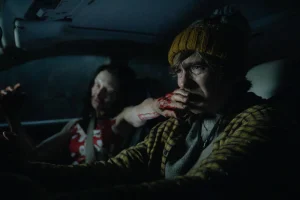
A pair of landmark Czech silent films from director Jan S. Kolár are set to receive their first U.S. Blu-ray release through independent distributor Deaf Crocodile, continuing renewed international interest in early Czech cinema and film preservation.
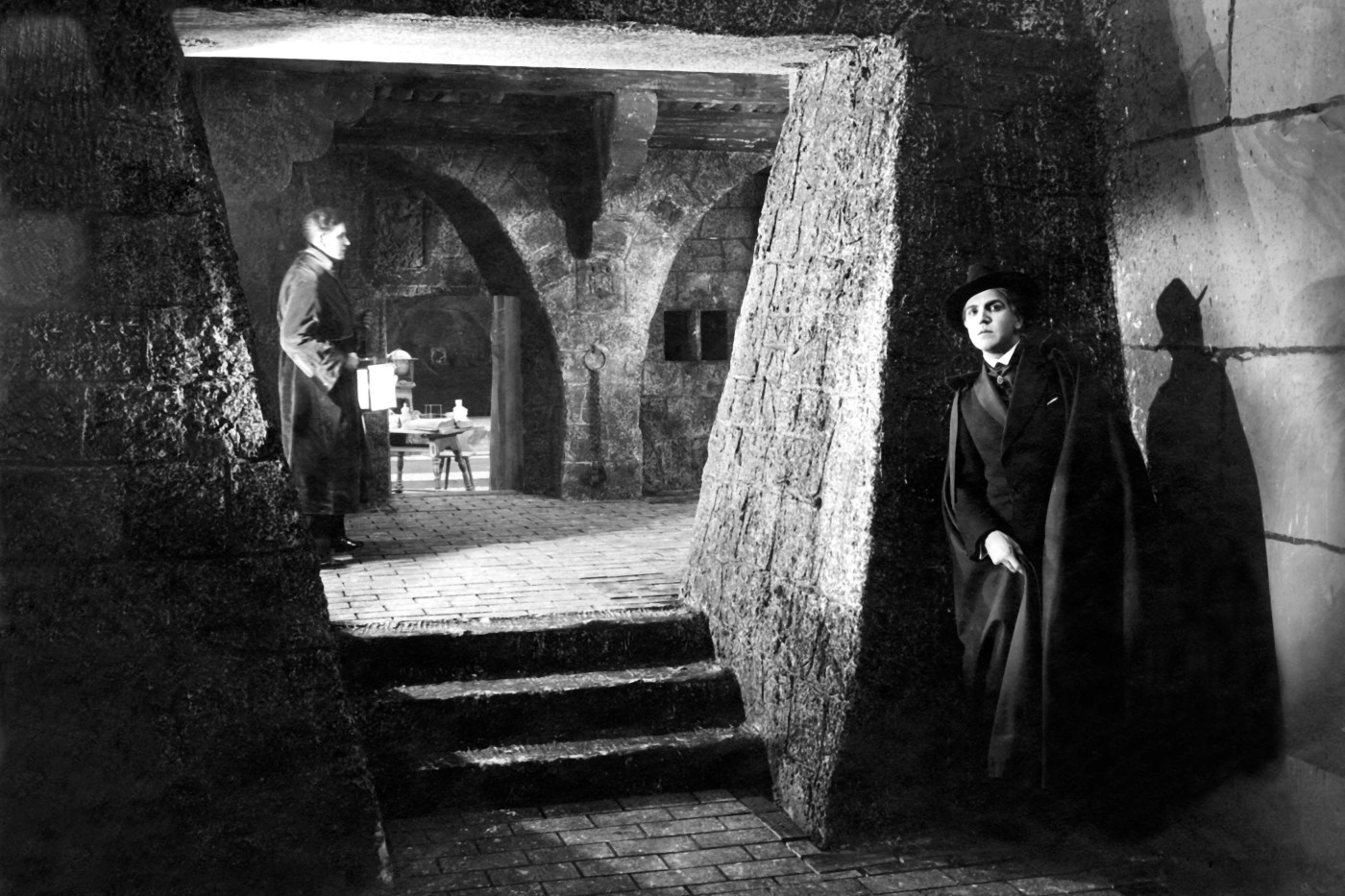
The release, announced as part of the company’s July–December 2026 subscription slate, brings together The Arrival from the Darkness (Příchozí z temnot, 1921, pictured at top) and St. Wenceslas (Svatý Václav, 1929), both restored by the National Film Archive in Prague. The Blu-ray edition is being produced in collaboration with the archive and Comeback Company, which specializes in bringing classic Czech cinema to U.S. audiences.
For international audiences, the release represents a rare opportunity to see two foundational works of Czech silent filmmaking outside of festival or archival screenings. Though both films have long held important places in Czech film history, they have remained difficult to access internationally, particularly in high-quality restored editions with English subtitles.
A pioneer of Czech genre filmmaking
Kolár, born in Prague in 1896, was among the defining figures of the Czech silent era, working as a director, screenwriter, actor, and producer during the formative years of Czechoslovak cinema. Beginning in the late 1910s, he directed films across multiple genres, collaborating with future stars including Anny Ondra and Karel Lamač.
Among the two newly announced releases, The Arrival from the Darkness may be the more surprising discovery for contemporary genre audiences. The 1921 supernatural fantasy follows a collector who revives his 16th-century ancestor using an ancient manuscript and the Elixir of Life, unleashing a gothic tale involving alchemy, plague-era mysticism, ruined castles, and occult rituals.
The film has gained renewed attention in recent years following a reconstruction by the National Film Archive that corrected a decades-old editing error. Archivists discovered that all circulating postwar versions of the film had accidentally swapped two reels, altering the narrative structure and contributing to the film’s reputation as confusing and obscure.
The restored version, screened at the Karlovy Vary International Film Festival in 2013, revealed a more coherent and visually ambitious work than many historians had previously recognized.
Shot at Czech castles and historic locations, the film also showcases the work of cinematographers Otto Heller and Otto Hoffmann. Heller would later become a major figure in British cinema, photographing films including The Ladykillers and Peeping Tom. The cast includes silent-era star Anny Ondra, who would later achieve international fame and appear in Blackmail, Alfred Hitchcock’s first sound feature.
Deaf Crocodile’s edition will include a new experimental score by Czech silent film trio Neuvěřitelno, continuing the modern practice of commissioning contemporary accompaniments for restored silent cinema.
Restoring a national epic
While The Arrival from the Darkness reflects the imaginative side of Czech silent filmmaking, St. Wenceslas stands as one of the most ambitious productions in the history of early Czech cinema.
Released at the end of the silent era, the historical epic dramatizes the life of Prince Wenceslas, the 10th-century ruler who became the patron saint of the Czech lands. Produced during the nationwide celebrations marking the millennium of Wenceslas’s death, the film was conceived as a prestige historical production on an unprecedented scale for Czechoslovakia.
Directed by Kolár in 1929 and released in 1930, the film reportedly became the most expensive Czech production made up to that point. Massive exterior sets representing medieval strongholds were constructed on Prague’s Strahov Plain, while battle and crowd scenes employed thousands of extras. Financing for the project came largely through public fundraising efforts, with additional material support from the Czechoslovak state, reflecting the film’s broader cultural and symbolic significance at the time.
The production also arrived during a transitional moment for the industry. Although conceived as a silent film, St. Wenceslas premiered after sound cinema had already begun arriving in Czechoslovak theaters. A synchronized sound version featuring recorded music was later prepared for rerelease.
The original orchestral score, composed by Oskar Nedbal and Jaroslav Křička, was long believed lost before portions were rediscovered in 2009 in the archive of Prague’s St. Vitus Cathedral. The music was subsequently reconstructed and performed again in 2010, underscoring the continuing archival interest surrounding the film.
For the new Blu-ray edition, Deaf Crocodile has commissioned a score by American silent film accompanist Ben Model. Both films will feature Czech intertitles with English subtitles, while additional bonus materials are expected to be announced at a later date.
The release continues a broader trend of restored Czech silent films reaching international audiences through boutique physical media labels and festival programming. For viewers outside the Czech Republic, it also offers a rare look at the stylistic range and technical ambition of a national cinema often overshadowed in global discussions of silent-era filmmaking.