Veteran actor Harvey Keitel has singled out a Czech-produced war drama, The Painted Bird, as one of the most significant films of his career, drawing renewed attention to a project that remains widely respected by critics but relatively unseen by broader audiences.
Speaking to Awards Daily, Keitel pointed to the 2019 film—directed by Václav Marhoul—as a standout among his extensive body of work. His remarks highlight the enduring impact of a production that, despite international acclaim, struggled commercially and remains a challenging watch for viewers.
Keitel’s endorsement adds to ongoing recognition of The Painted Bird within the Czech film industry, where it has been regarded as a landmark achievement in recent decades.
Keitel’s endorsement brings renewed attention
Keitel, whose career spans more than five decades and includes collaborations with directors such as Martin Scorsese and Quentin Tarantino, described The Painted Bird in unequivocal terms when asked to name lesser-known highlights from his filmography.
“I might recommend to you that you see the movie I made based on Jerzy Kosinski’s book The Painted Bird. It’s one of my favorite films. I just want to recommend it to you to see it. Václav Marhoul did a wonderful job writing it and filming that movie. I can’t understand why that movie was never done before,” Keitel said.
The actor also placed the film in the context of other internationally acclaimed but less widely seen works, referencing Ulysses’ Gaze and its director Theo Angelopoulos as part of a similar category of underappreciated cinema.
“And I think what Vaclav Marhoul did with The Painted Bird and Kosinski’s book is great, never mind whether he really lived it or not. Since when do you have to really live something to write a book?” Keitel added, addressing long-standing debates surrounding the source material’s autobiographical claims.
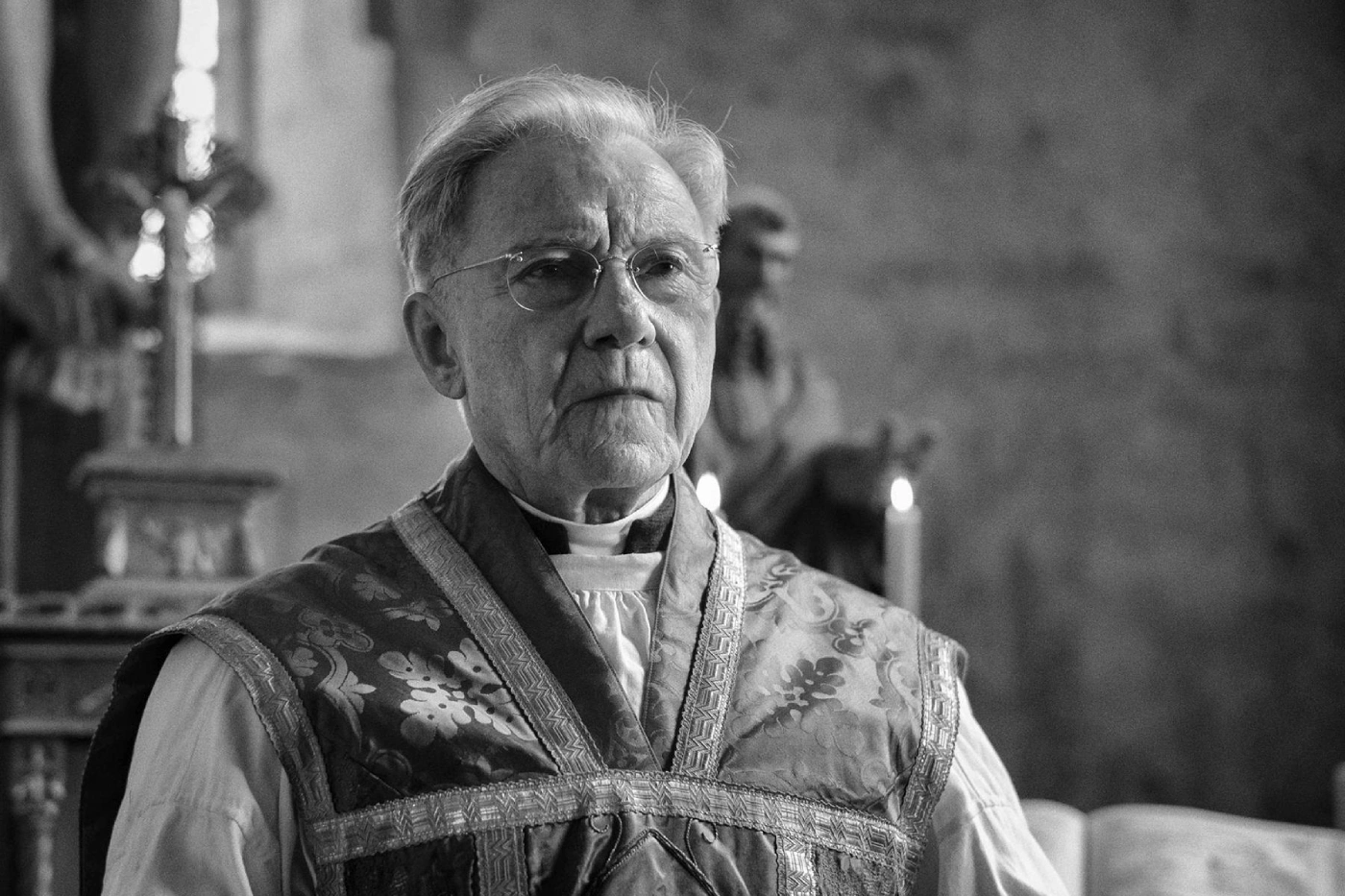
Produced as an international co-production led by the Czech Republic, The Painted Bird follows a young Jewish boy navigating the brutal realities of World War II across rural Eastern Europe. Shot in stark black and white and structured as a series of episodic encounters, the film features minimal dialogue and a rotating cast of international actors, including Keitel in a supporting role as a priest.
Despite premiering to strong critical reception at festivals such as Venice and Toronto, the film became known for prompting walkouts due to its unflinching depiction of violence. It ultimately grossed modestly compared to its reported budget, underscoring the difficulty of positioning such uncompromising material within the global marketplace.
A landmark Czech production with lasting impact
Within the Czech film landscape, however, The Painted Bird has secured a more enduring legacy. The Prague Reporter’s 2019 review described the film as “a strikingly beautiful and deeply authentic re-creation of a journey through real-world horrors,” placing it “alongside some of the most memorable and affecting of WWII movies.”
The review further concluded that the film rates alongside works such as Come and See, Schindler’s List, and Son of Saul, and ultimately stands “among the best Czech films ever made.”
Developed over more than a decade, the production was notable for its logistical ambition, shooting across multiple countries and employing Interslavic—a constructed Slavic language—to enhance its sense of universality.
The film also drew attention for its visual craftsmanship, with cinematographer Vladimír Smutný capturing carefully composed black-and-white imagery that emphasizes both the starkness of the landscape and the emotional isolation of its protagonist.
For the Czech industry, The Painted Bird represents a rare example of a domestically led project achieving global visibility while maintaining a distinctly European artistic sensibility. Its reception illustrates both the opportunities and limitations facing Czech productions operating within the international festival circuit.
Keitel’s renewed endorsement may help bring the film back into conversation, particularly among audiences unfamiliar with Czech cinema. While his career includes widely recognized titles such as Taxi Driver, Pulp Fiction, and The Irishman, his emphasis on The Painted Bird underscores the continued relevance of smaller, more challenging works within an actor’s legacy.