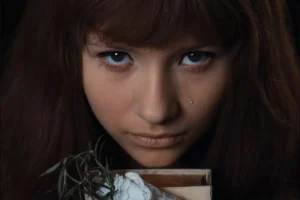
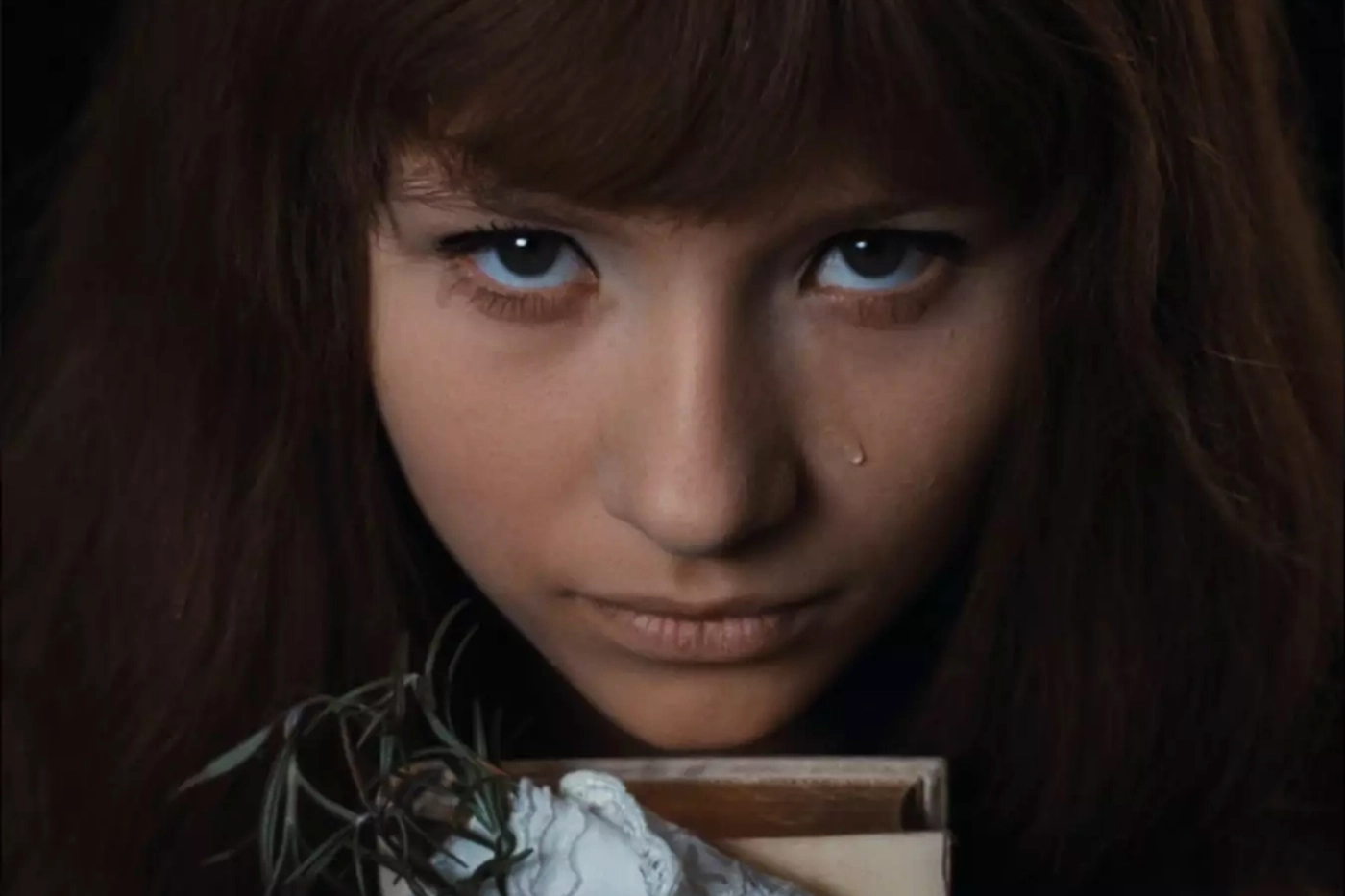
The Czech Republic will once again be represented at one of the world’s most prestigious film festivals, with a restored version of Valerie and Her Week of Wonders selected for the Venice Classics competition at the 83rd Venice International Film Festival. The newly digitized version of Jaromil Jireš‘ landmark 1970 film will screen on the Lido from Sept. 2-12 as part of the festival’s showcase of restored and rediscovered cinema.
Presented by the Czech National Film Archive (NFA), the selection continues a strong tradition of Czech film preservation earning international recognition in Venice. More than five decades after its original release, Valerie and Her Week of Wonders remains one of the most distinctive works of the Czechoslovak New Wave, admired internationally for its surreal imagery, gothic atmosphere and singular approach to the coming-of-age story.
A landmark of the Czechoslovak New Wave returns
Directed by Jireš and adapted from Vítězslav Nezval‘s 1932 novel, Valerie and Her Week of Wonders occupies a unique place within Czech cinema. Produced in 1969 and released in 1970, it emerged during the final years of the Czechoslovak New Wave before the cultural restrictions of the normalization period reshaped the country’s film industry.
Unlike many New Wave films known for their realism or political allegory, Jireš created an oneiric blend of fairy tale, horror, surrealism and gothic romance. The story follows 13-year-old Valerie, played by then newcomer Jaroslava Schallerová, as she experiences a bewildering series of encounters in which dreams, fantasy and reality become impossible to distinguish. Through its dreamlike structure, the film explores adolescence, identity, sexuality and the uncertainties of growing up.
Much of the film’s enduring reputation stems from its distinctive visual design. Ester Krumbachová, who co-wrote the screenplay while also serving as costume and production designer, created an elaborate symbolic world filled with lace, flowers, religious imagery and elaborate period settings. Her artistic vision, combined with Jan Čuřík’s richly textured cinematography and Luboš Fišer’s haunting score, has helped establish the film as a cult classic that continues to influence filmmakers, artists, musicians and fashion designers around the world.
The production also featured several unconventional casting choices. Jireš selected mostly non-professional performers to emphasize distinctive personalities over conventional acting styles. Alongside Schallerová, the cast includes singer Eva Olmerová, costume designer Helena Anýžová and composer Jan Klusák in prominent supporting roles.
Filmed in the Renaissance town of Slavonice, the movie remains one of the most visually recognizable works of Czech cinema, with its locations and production design contributing significantly to its lasting appeal.
Czech film preservation earns another Venice spotlight
The Venice Classics section has become an important international platform for restored and newly digitized films, presenting cinematic heritage from around the world. Winners are selected not by critics or industry professionals, but by a jury composed of students from international film schools.
For the National Film Archive, this marks another significant appearance in the competition. Czech restorations have become regular selections in Venice over the past decade, reflecting the archive’s long-term investment in preserving and digitizing the country’s film heritage.
The archive achieved its greatest success in 2019, when Gustav Machatý’s restored Ecstasy won the Venice Classics Award for Best Restored Film. Previous Venice presentations have also included restored versions of Black Peter, Miloš Forman‘s debut feature, and The Ear, Karel Kachyňa‘s once-banned political drama, along with programs dedicated to Věra Chytilová and other influential Czech filmmakers.
The selection of Valerie and Her Week of Wonders continues that momentum while highlighting one of Czech cinema’s most internationally recognized titles. Unlike many historical works that primarily attract specialist audiences, Jireš’ film has maintained a remarkably broad international following through repertory cinemas, boutique home video releases and genre film festivals. Its blend of arthouse aesthetics, gothic fantasy and psychological horror has allowed it to reach audiences well beyond traditional New Wave enthusiasts.
The Venice screening also arrives at a time when restored classics are playing an increasingly important role in festival programming. Beyond preserving fragile film materials, digital restoration allows influential works to reach new generations of viewers while reaffirming their place within international film history.
For Czech cinema, the inclusion of Valerie and Her Week of Wonders in Venice Classics represents more than another festival screening. It underscores the continued international interest in the country’s cinematic heritage and demonstrates how restoration efforts can give landmark works renewed visibility on the world’s most prestigious stages, ensuring that one of the defining achievements of the Czechoslovak New Wave continues to captivate audiences more than half a century after its creation.