
International film and television productions will once again be able to apply for Czech production incentives from Sept. 1, following a months-long suspension of the scheme. The Czech Film Commission announced the reopening on July 6, restoring access to cash rebates of 25% to 35% on eligible local spending.
The move comes after increased demand from international productions pushed the Czech incentive system to its limits. The expanded scheme helped drive record growth in the Czech audiovisual industry in 2025, when total turnover reached CZK 11.3 billion, largely due to foreign film and television projects choosing Czech locations, studios and production services.
Incentives return after funding pause
The Czech production incentives program was suspended in March after available funds allocated for the year were exhausted. The halt temporarily prevented new international projects from registering for the scheme, raising concerns among producers about the stability of the Czech market.
The reopening follows negotiations between industry representatives and the Czech Audiovisual Fund, which administers the incentive system. The Czech Film Commission confirmed that international audiovisual projects will again be able to apply from Sept. 1 for rebates ranging from 25% to 35% of eligible Czech spending.
The current incentive structure was introduced as part of reforms to the Czech Audiovisual Fund that took effect in 2025. The changes increased rebate levels and expanded support for certain types of production, including animation and digital projects, where higher incentives are available.
The revised system was introduced as Czechia faced growing competition from other European production destinations. Many countries have developed aggressive incentive programs offering substantial returns on local spending, making financial support a major factor in decisions about where international films and series are produced.
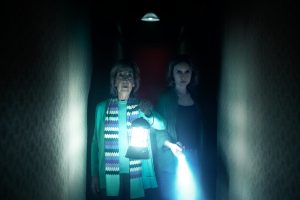
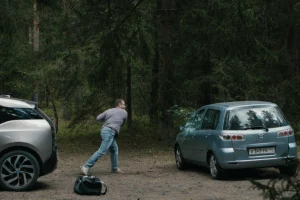
The impact of the expanded Czech scheme was visible in 2025, when foreign production turnover increased by around 20% to more than CZK 6.6 billion. International projects including Netflix’s Resident Evil (pictured at top) and The Age of Innocence, Amazon MGM Studios’ Ride or Die and Netflix Germany’s The Empress used Czech production services during the year.
Several large-scale productions have also been linked to Czechia for upcoming shoots, including Apple TV+’s Birdwatcher, the continuation of the science-fiction series Foundation and the feature adaptation of Dan Brown’s The Secret of Secrets.
Czech production industry seeks long-term stability
Industry representatives have welcomed the return of incentives but continue to call for a stable, predictable system that can support both international productions and domestic filmmaking.
The Audiovisual Producers’ Association (APA), which represents 177 independent production companies accounting for about 90% of the Czech production market, has argued that demand for incentives remains higher than available funding. According to APA data, even the record CZK 2.4 billion budget of the Czech Audiovisual Fund in 2025, including up to CZK 1.6 billion for incentives, did not fully cover demand from international projects.
The organization has highlighted the broader economic impact of foreign productions, noting that a significant share of spending by international crews goes beyond the film sector. Around 60% of foreign production expenditure in Czechia is directed toward related industries, including hospitality, transport, construction and local services.
The return of incentives is also expected to support Czech production infrastructure, including studios, technical suppliers and freelance crews that depend on a steady flow of international projects. Recent years have seen Czech facilities and production companies work on major international titles, including Amazon MGM Studios’ Blade Runner 2099, Amazon Prime Video’s The Wheel of Time and Netflix’s The Gray Man.
At the same time, APA has warned that the future competitiveness of Czech audiovisual production will depend on more than incentives alone. The association has pointed to the need for continued support for domestic film and television production, including through the Czech Audiovisual Fund and investment from broadcasters and streaming platforms.
With applications reopening in September, Czechia aims to maintain its position as one of Central Europe’s leading production hubs. The country’s established production infrastructure, experienced crews, studios and diverse locations remain key advantages for international filmmakers, but industry representatives say consistent funding will be essential to sustaining growth in the coming years.