Prague’s Shockproof Film Festival will return to Kino Aero from March 23-29 for its 21st edition, bringing another week of cult cinema, exploitation oddities, and interactive screenings to the city’s Žižkov district. This year’s program is framed around the theme of mental health, with organizers once again leaning into the festival’s trademark mix of provocation, absurdity, and communal moviegoing.
Founded as a showcase for films far outside the mainstream, the festival has built its reputation on presenting low-budget genre titles, cult curiosities, and extreme cinema in an environment that treats the theatrical screening itself as part of the attraction. The 2026 edition continues that approach with a program that combines repertory titles, newer genre work, live Czech dubbing performances, audience-participation events, and archival-format screenings.
Interactive screenings and cult classics shape the program
A defining feature of the Shockproof Film Festival is its emphasis on screenings as live events rather than passive repertory presentations. This year’s program again includes the festival’s popular live-dubbing format, in which performers provide simultaneous Czech-language dubbing in front of the audience. The 2026 schedule lists three such screenings: camp classic Miami Connection, Roger Corman-produced Humanoids from the Deep, and Fred Olen Ray’s Sideshow.
The lineup also includes Videoautomat 3: Curse of the Videoautomat, an audience-driven screening format in which viewers help determine what appears on screen, and a bingo-style presentation of Things, the 1989 Canadian horror film long regarded as one of the more infamous Z-grade titles in cult cinema.
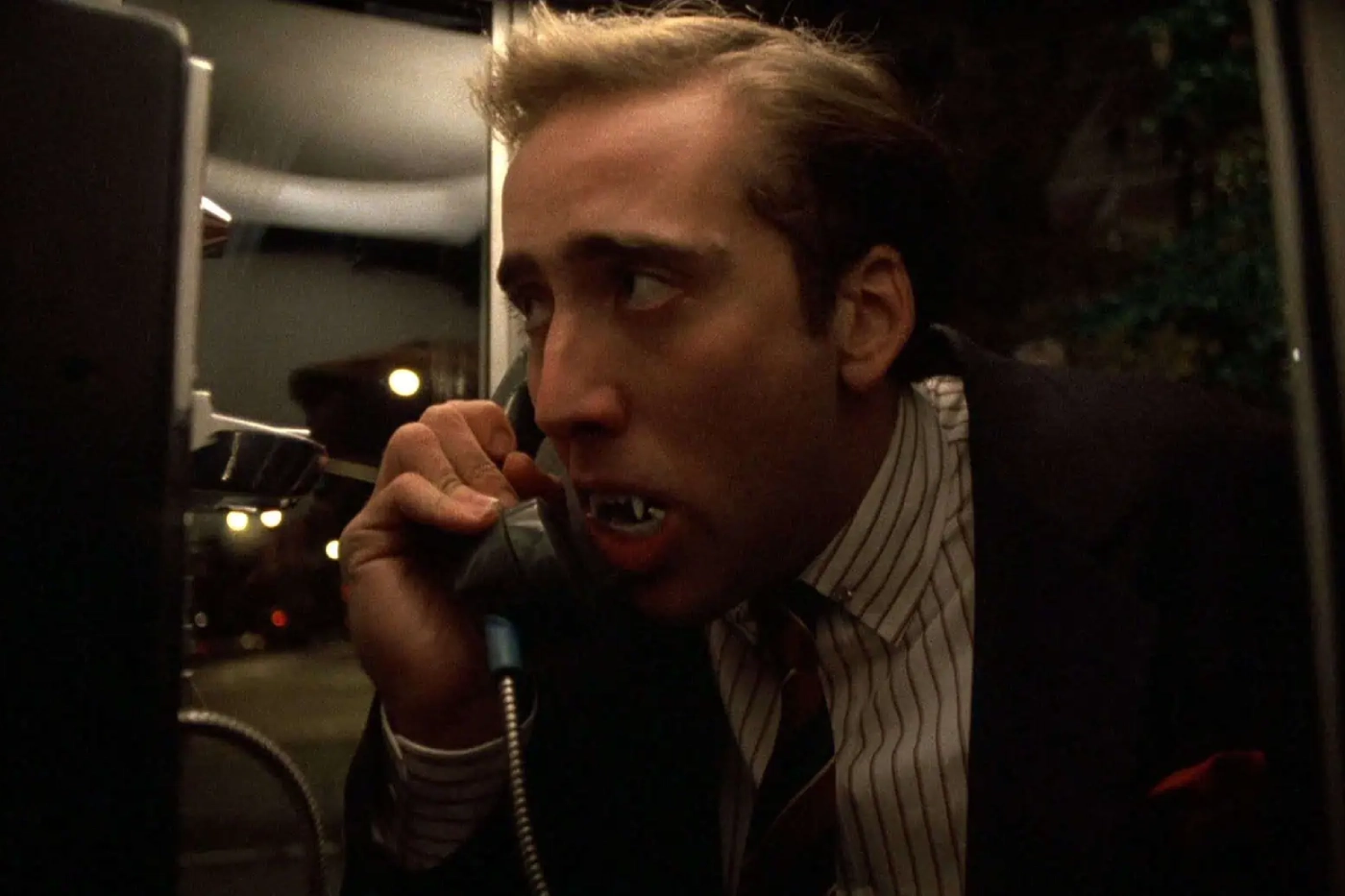
Alongside those interactive elements, the program balances new discoveries with older cult works. Among the best-known repertory titles is Vampire’s Kiss (pictured at top), the 1988 black comedy horror film remembered for Nicolas Cage’s unrestrained performance, screening on opening night and a personal favorite of The Prague Reporter.
Also on the schedule are A Lizard in a Woman’s Skin, Lucio Fulci’s surreal giallo from 1971; Henry: Portrait of a Serial Killer, John McNaughton’s stark and still-disturbing 1986 study of violence; and Wedding Trough, the 1974 Belgian film returning here in a restored version after having been shown at the festival’s first edition.
Newer titles reflect the festival’s habit of pairing canonical cult works with recent genre films that sit well outside conventional programming. These include Fuck My Son!, described by organizers as a major provocation on the contemporary festival circuit; Dance Freak, described as “part Dead Beetle, part Tetsuo: The Iron Man“; and Touch Me, a recent title that drew attention at Sundance and SXSW.
A Prague festival with a distinct identity
What sets the Shockproof Film Festival apart within Prague’s film calendar is not only its programming but also its sense of place. Kino Aero, a revered neighborhood cinema in Žižkov, has served as the festival’s home base and helps shape its identity as an event rooted in communal, late-night, in-person viewing. Visitors can expect packed auditoriums, live interventions, and screenings that can break the “fourth wall” through DIY performance elements.
That approach fits with the festival’s broader mission, which organizers describe as restoring cinema to its original role as an attraction and a shared experience. In practice, that has meant cultivating a space where films that might be dismissed as trash, exploitation, or camp are given a serious curatorial frame without losing their unruly appeal.
This year’s mental health theme appears to function less as a clinical subject than as an organizing metaphor for a program built around mania, breakdown, delusion, and altered states, all filtered through the festival’s irreverent tone.
The Shockproof Film Festival offers a platform for repertory rediscovery, contemporary genre experimentation, and a form of audience engagement that remains relatively rare at the theater. At a time when many screenings compete with at-home viewing, it continues to make a case for cinema as an event best experienced collectively, noisily, and in person. For more information and a full schedule of film screenings, see the official festival website.