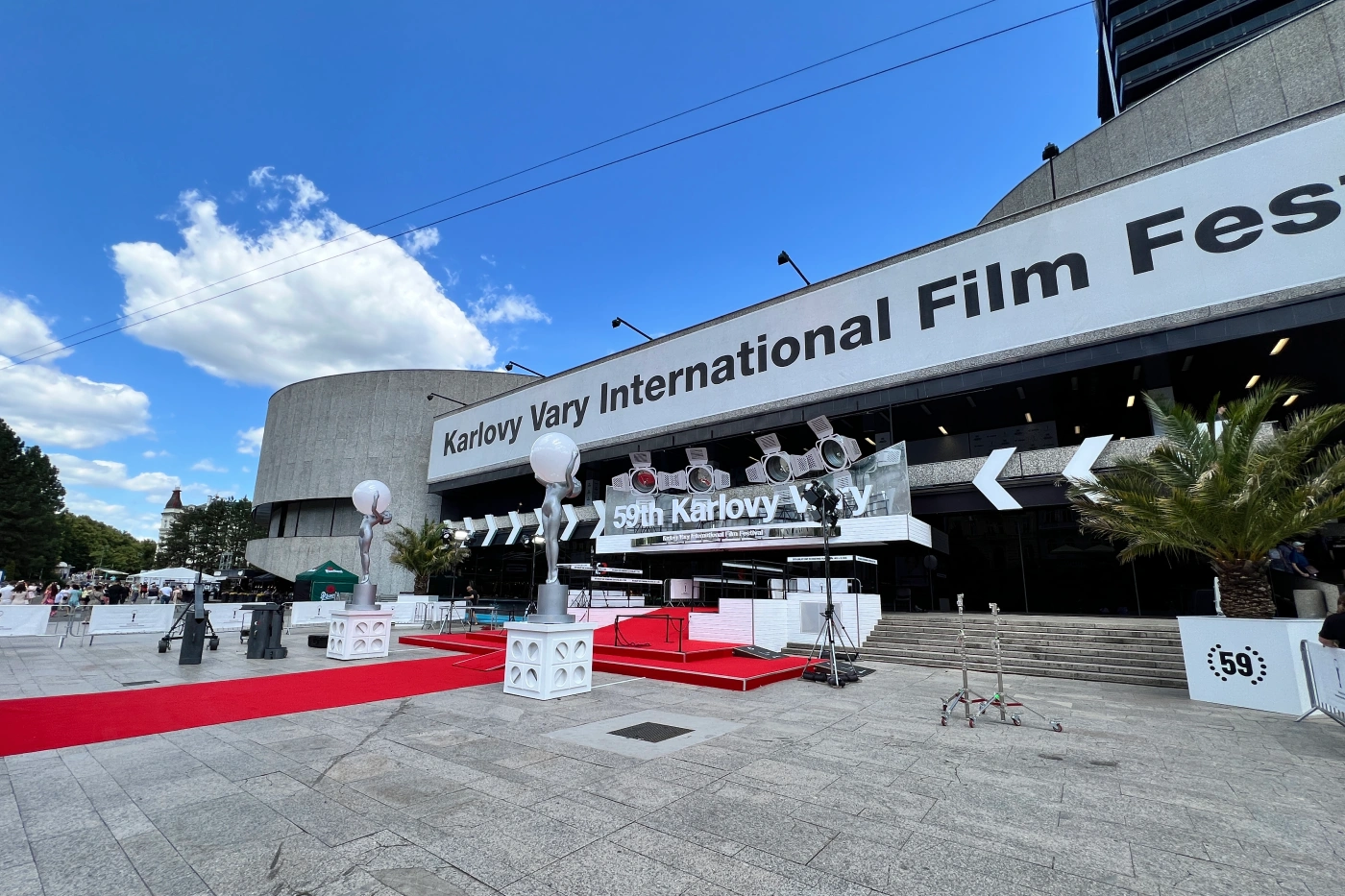
The Karlovy Vary International Film Festival (KVIFF) will return in 2026 with a dual milestone, marking both the 60th edition of the event and 80 years since its founding (the fest was held every other year for much of its early history). This year’s anniversary highlights the festival’s long-standing role in European cinema, tracing its origins back to the immediate postwar period and its evolution into one of Central Europe’s most prominent cultural events.
First held in 1946, the festival predates the inaugural editions of Cannes and Locarno and coincided with the renewed postwar edition of Venice. Over the decades, it has undergone significant political, structural, and artistic changes, reflecting broader shifts in Czech and international film culture. This year’s edition is set to acknowledge that history while introducing new programming and public-facing elements.
A festival shaped by history and transformation
KVIFF’s early years were marked by experimentation and political influence. Initially staged across both Karlovy Vary and Mariánské Lázně, the first edition presented just 13 films and operated as a non-competitive showcase. Awards were introduced two years later, and by 1950 the festival settled permanently in Karlovy Vary.
The event’s trajectory was shaped by broader geopolitical forces. During the 1950s and beyond, programming decisions were often influenced by state oversight, while the festival itself alternated years with the Moscow International Film Festival after gaining “A-category” status from the International Federation of Film Producers Associations (FIAPF). These constraints contributed to the discrepancy between the festival’s 80-year history and its 60th edition count.
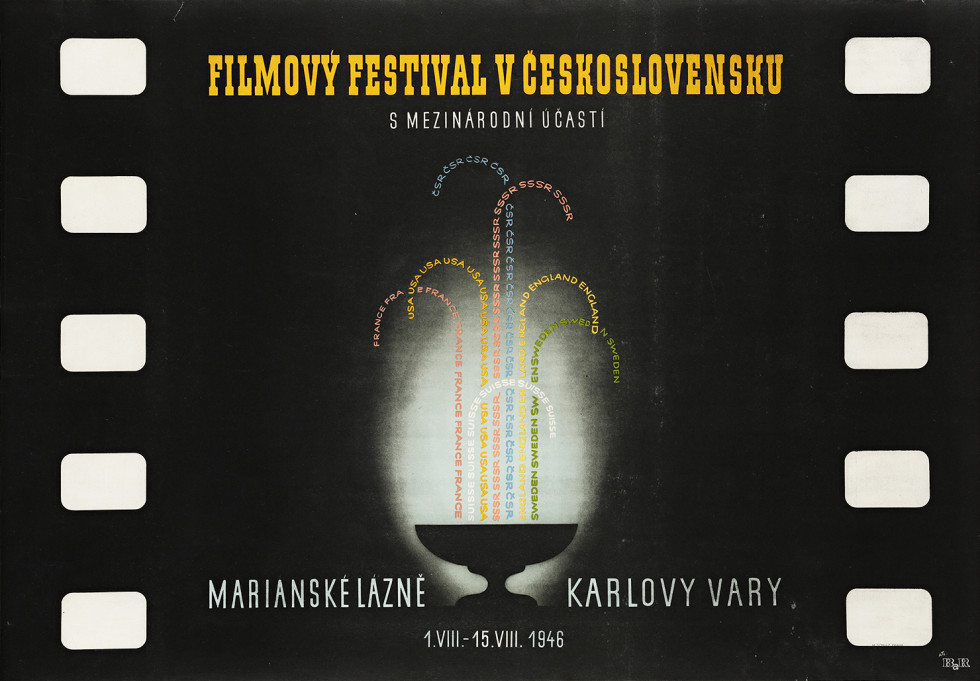
Despite these limitations, the festival grew in international stature during the 1960s before entering a more restricted period during the decades of political normalization. A gradual reopening in the late 1980s brought renewed international participation, culminating in a significant turning point after the Velvet Revolution.
The early 1990s proved pivotal. Facing uncertainty and potential cancellation, the festival was restructured under the newly formed Karlovy Vary International Film Festival Foundation. Under the leadership of president Jiří Bartoška and artistic director Eva Zaoralová, the event was transformed into a modern international festival. Since 1994, it has been held annually without interruption, aside from a pause during the 2020 pandemic.
Today, the festival continues under the leadership of executive director Kryštof Mucha and artistic director Karel Och, maintaining the institutional framework established in the 1990s while adapting to contemporary industry demands. Longtime collaborators across production, design, and programming remain central to its identity.
Anniversary programming looks to past and present
This year’s edition will foreground the festival’s history through a series of curated events and exhibitions. A major outdoor installation, titled 60/80 (1946–2026), will present archival photographs across 30 panels placed between the Grandhotel Pupp and the Hotel Thermal. The exhibition focuses particularly on lesser-known early editions, pre-1989 festival life, and notable guests, offering a visual narrative of the event’s development.
The festival’s Out of the Past section will also be dedicated to historically significant titles associated with previous editions, reinforcing the retrospective dimension of the anniversary program.
In a nod to its origins, KVIFF will host a special preview screening in Mariánské Lázně on July 1, echoing the dual-city format of its inaugural edition. The screening will take place at the town’s historic Municipal Theatre and feature a selected film from this year’s lineup.
Another exhibition will commemorate what would have been the 90th birthday of Václav Havel, the former Czech president and playwright who maintained a close relationship with the festival. Installed at the Hotel Thermal, the display will document Havel’s visits and interactions with international filmmakers over several decades.
Alongside these historical reflections, the festival is introducing a redesigned architectural layout for the space surrounding the Hotel Thermal’s Grand Hall. The new configuration aims to enhance the audience experience during major events, including opening and closing ceremonies, by creating a more accessible and immersive environment.
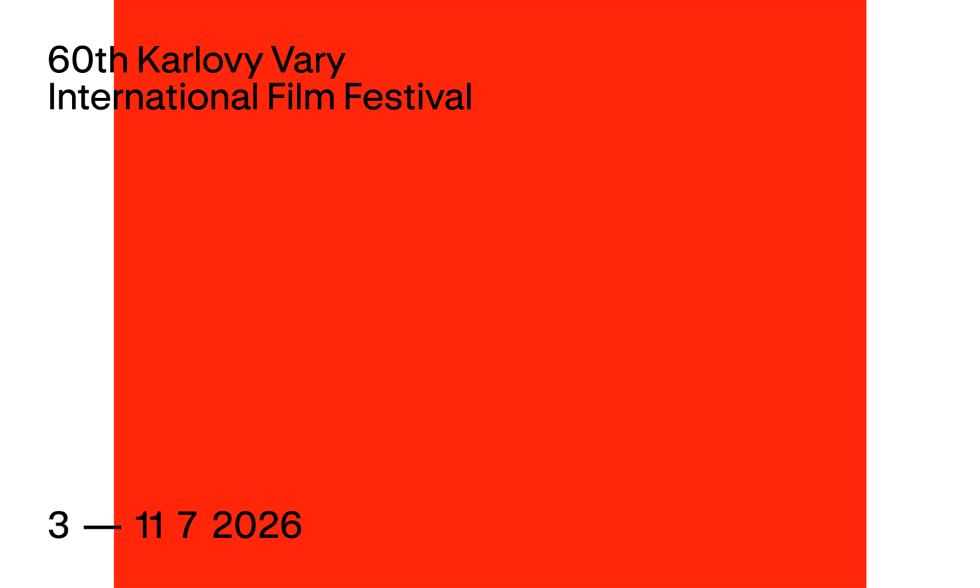
The visual identity for the 2026 edition also draws on the festival’s public-facing ethos. Designed by Jonatan Kuna in collaboration with Aleš Najbrt of Studio Najbrt, this year’s concept centers on the red carpet as a unifying symbol. Rather than focusing solely on industry figures, the design positions the red carpet as a shared space for all attendees.
According to the designers, the minimalist visual approach allows for multiple interpretations while emphasizing inclusivity. Shadows incorporated into the design represent both the presence of festival participants and a metaphorical “projection,” linking the imagery to the cinematic experience itself.
Lead photo: KVIFF 2025 © The Prague Reporter