Johnny Depp takes on one of literature’s most iconic misers in Ebenezer, a lavish new adaptation of Charles Dickens‘ A Christmas Carol from director Ti West opening in Prague and cinemas worldwide this weekend. With its extravagant supernatural imagery, eccentric star performance and snow-covered Victorian London, the film occasionally resembles something that might have been titled Tim Burton’s A Christmas Carol. But beneath the gothic spectacle lies a surprisingly faithful adaptation of Dickens’ original story, one that ultimately delivers all the warmth audiences have come to expect from this enduring classic. Merry Christmas, indeed.
West might seem an unusual choice to direct a family holiday favorite, having established himself primarily through horror films including The House of the Devil and his X trilogy. Yet Dickens’ 1843 novella has always been a ghost story, and Ebenezer embraces its darker elements without losing sight of the underlying message of generosity and redemption.
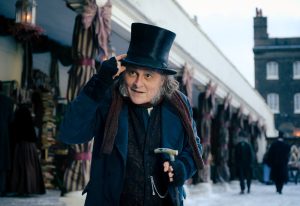
Depp stars as Ebenezer Scrooge, the wealthy London businessman whose contempt for Christmas is matched only by his indifference toward the suffering of others. On Christmas Eve, Scrooge receives a terrifying visit from the ghost of his deceased business partner, Jacob Marley (Ian McKellen), who warns that a similar fate awaits him unless he changes his ways. Three spirits subsequently guide Scrooge through visions of Christmas past, present and future, confronting him with the personal choices and human consequences that have shaped his miserable existence.
Anyone familiar with the story knows exactly where this is going, and screenwriter Nathaniel Halpern makes few attempts to reinvent it. Despite the marketing emphasis on a darker interpretation, Ebenezer remains remarkably close to Dickens’ narrative, retaining much of its dialogue and emotional structure.
West’s direction is particularly effective during the early supernatural encounters, which create a genuinely eerie atmosphere without overwhelming the characters. Marley’s appearance establishes the ghostly stakes with suitably unsettling imagery, while the subsequent arrival of the Ghost of Christmas Past provides the film with its first truly extraordinary sequence.
Andrea Riseborough is magnificent as the ethereal spirit, whose otherworldly appearance and melancholy demeanor transform what might otherwise have been rote exposition of Scrooge’s past into something genuinely moving. There’s an almost dreamlike sadness to her interactions with Scrooge, as she guides him through memories of childhood loneliness, lost love and opportunities for happiness that gradually slipped away.
West’s visual effects team gives the character a striking supernatural presence, but it’s Riseborough’s performance that makes the encounter memorable. Rather than simply confronting Scrooge with his mistakes, she seems to mourn the person he might have become.
The Ghost of Christmas Present, played by Tramell Tillman, is similarly compelling. The actor brings a certain theatricality to the role, but also an unusual undercurrent of sadness that even Scrooge picks up on. It’s a fascinating interpretation of a character often portrayed primarily as a jovial embodiment of Christmas abundance. Here, the spirit’s awareness of human suffering gives his encounters with Scrooge additional emotional weight.
Indeed, Ebenezer displays an uncommon affection for its supernatural visitors, treating them not merely as instruments of moral instruction but as personalities with their own mysterious (after)lives. The ghost and creature effects are frequently spectacular, occasionally pushing the film toward the exaggerated gothic fantasy associated with Tim Burton‘s work. Yet West generally maintains enough restraint to ensure that the spectacle complements rather than overwhelms Dickens’ story.
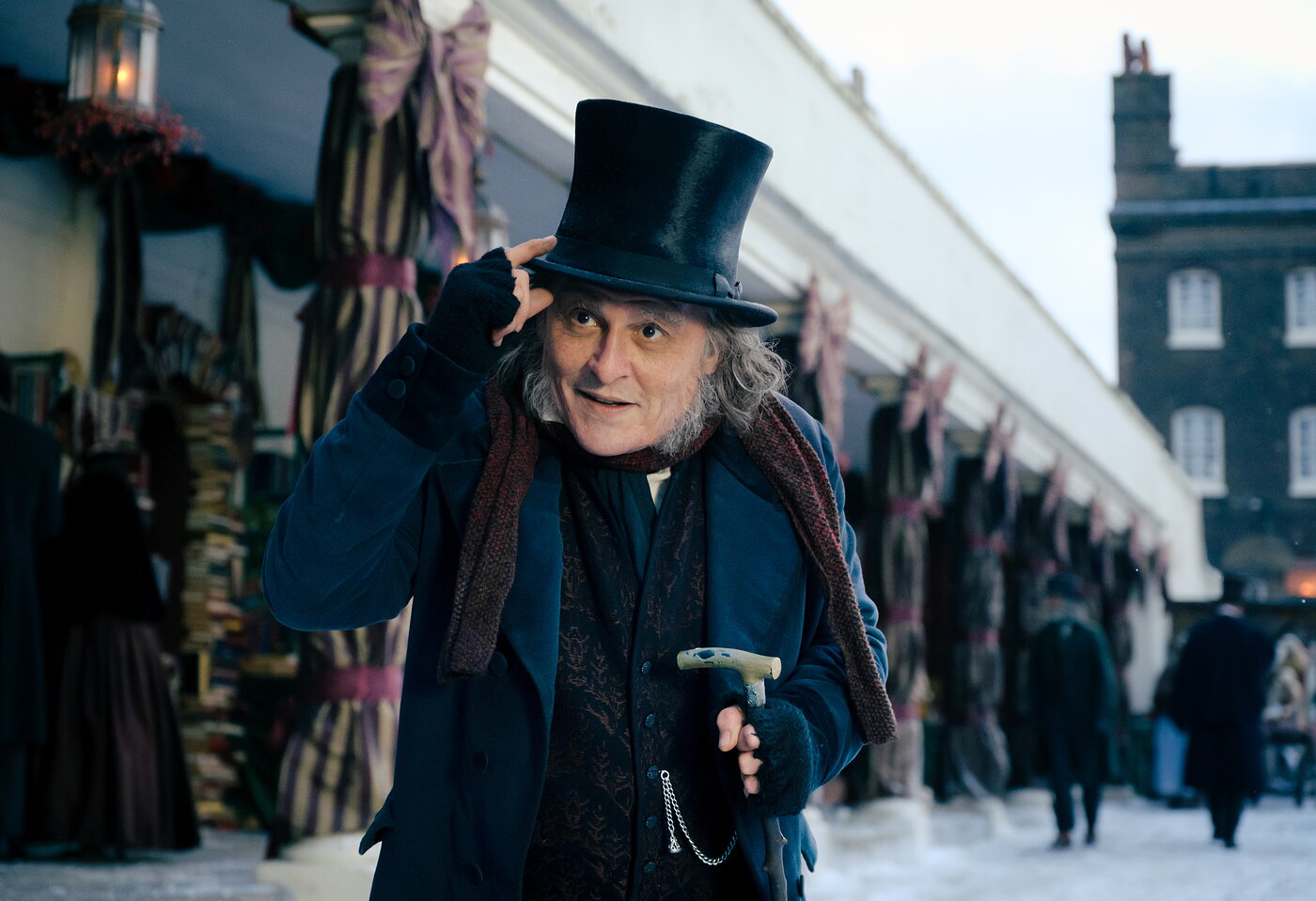
Depp brings his customary eccentricity to Scrooge, creating a character who feels almost too expressive and enigmatic for a man defined by emotional repression. There’s something slightly artificial about his mannerisms and reactions, as though he’s playing a peculiar outsider rather than the bitter, emotionally withdrawn businessman at the center of Dickens’ tale.
It’s not an unsuccessful performance, exactly, but it lacks the straightforward human qualities that made Albert Finney and Michael Caine so perfect in Scrooge and The Muppet Christmas Carol, respectively, let alone Alastair Sim’s definitive performance in the 1951 Scrooge, which remains the benchmark against which subsequent interpretations must be measured.
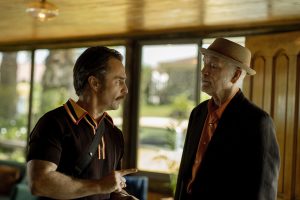
Depp’s interpretation is entertaining, but there’s a lingering sense that the character has been tailored to the actor’s established screen persona rather than the other way around. He frequently feels less grounded in his bitterness and regret, making the character’s ultimate turnaround less surprising, though not less satisfying. The irony is that Ebenezer contains an actor who might have been a note-perfect Scrooge: McKellen, whose brief appearance as Marley immediately suggests the gravitas and vulnerability the central role requires.
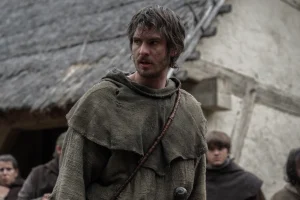
Among the supporting cast, Sam Claflin is a particular standout as Scrooge’s nephew Fred, whose unwavering affection for his uncle provides the film with its strongest emotional foundation. Their relationship is rooted in the love both men shared for Scrooge’s deceased sister, Fred’s mother, and Claflin beautifully conveys the mixture of sadness, patience and genuine warmth that keeps Fred reaching out despite his uncle’s repeated rejection.
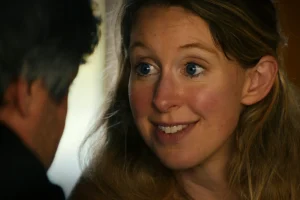
It’s this relationship, perhaps more than any of the supernatural spectacle, that ultimately sells the film’s emotional journey. Daisy Ridley is appealing as Fred’s wife, Clara, though the role offers fewer opportunities to make an impression, while Rupert Grint is perfectly cast as Scrooge’s long-suffering employee Bob Cratchit. Grint brings an appealing sincerity to the character, even if this version gives the Cratchit family slightly less emotional prominence than some previous adaptations.
This version is greatly supported by outstanding production design, which recreates mid-19th-century London as a richly detailed landscape of snowy streets, candlelit interiors and imposing Victorian architecture. Cinematographer Checco Varese captures the contrasting warmth and coldness of this world beautifully, while the elaborate sets and costumes give the film a convincing sense of period authenticity; the visual motif recalls the similarly impressive recreation of historical London in Robert Eggers‘ Nosferatu, much of which was constructed at Prague’s Barrandov Studio.
For all its darker flourishes, however, Ebenezer ultimately succeeds because it understands the emotional power of Dickens’ original story. By the time Scrooge reaches his climactic transformation, the film has earned its sentimentality, delivering a conclusion likely to leave more than a few viewers in tears.
It’s difficult to imagine this version replacing the 1951 classic, Finney’s musical interpretation or the enduringly wonderful The Muppet Christmas Carol in the holiday canon. But it is the most satisfying theatrical adaptation since the Muppets brought Dickens’ story to the screen more than three decades ago.
Ebenezer doesn’t reinvent A Christmas Carol, nor does it need to. Instead, it offers a visually sumptuous, frequently haunting and ultimately deeply moving interpretation that should introduce a new generation to one of English literature’s greatest stories. And it just might become a new holiday classic of its own.